Google Search Console: The Free Tool Most Small Business Owners Ignore (and Why That's Costing You)
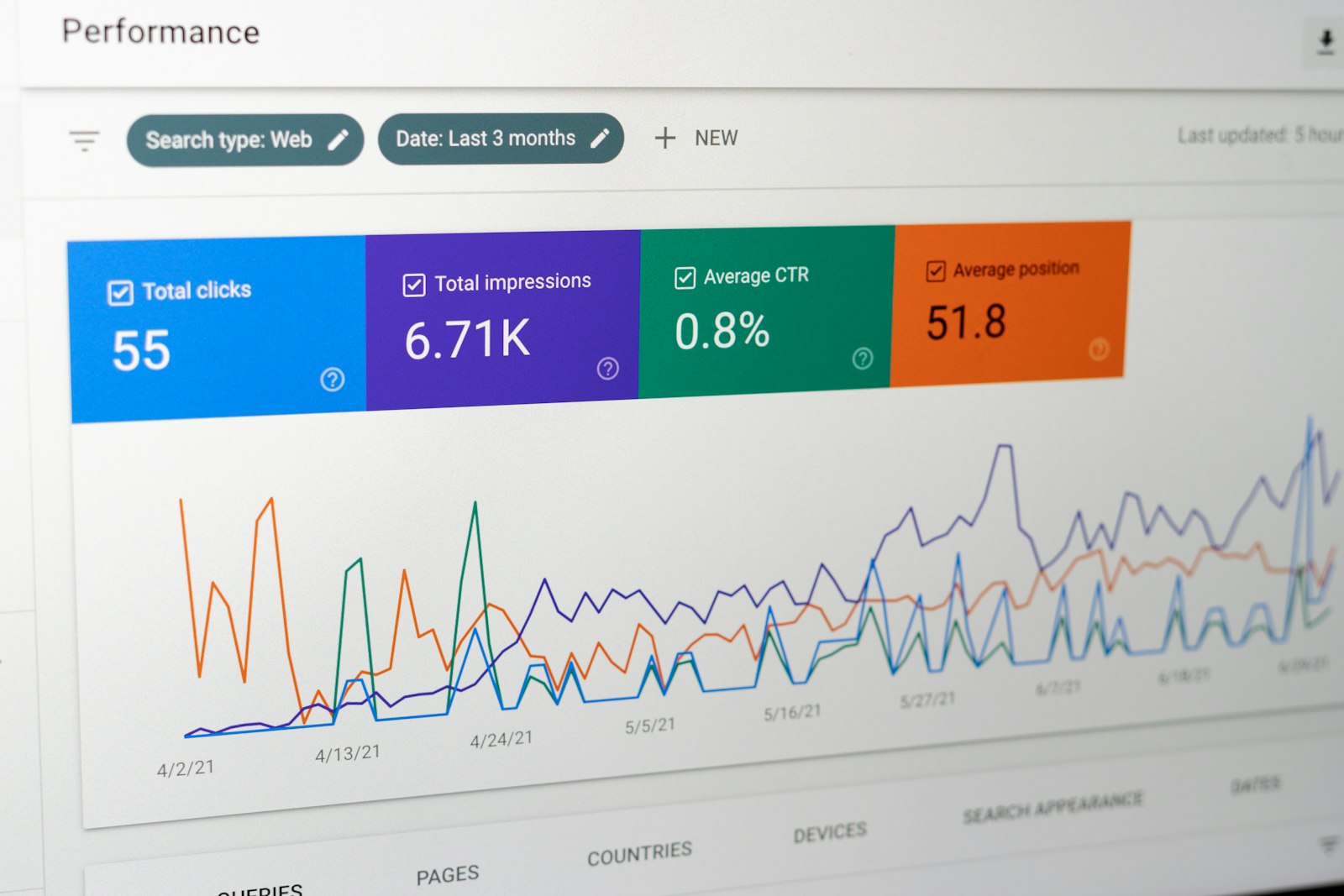
You probably already have Google Search Console set up. Your web developer or agency added your site, verified ownership, and... that's where it sat. Collecting dust. Sending emails you never read.
That's a shame, because Search Console is the single most valuable free tool Google gives you. It tells you exactly what Google thinks of your website — which pages it likes, which ones it's struggling with, and whether something is broken.
Here's the practical 15-minute monthly audit that actually matters for a small business website.
Step 1: Check for Critical Errors (5 Minutes)
Open Search Console and click "Indexing" → "Pages" in the left sidebar. You'll see a chart and a list of reasons why pages might not be in Google's index.
What to look for:
- "Submitted URL not found (404)" — Someone linked to a page that no longer exists. Fix it with a 301 redirect or restore the page.
- "Page with redirect" — Too many redirects in a chain. Clean them up to one direct redirect.
- "Blocked by robots.txt" — You're accidentally blocking Google from crawling important pages.
- "Excluded by 'noindex' tag" — You told Google not to index a page you actually want found.
Ignore things like "Crawled - currently not indexed" for small sites. That's normal for newer or lower-authority pages — Google just hasn't gotten around to them yet.
The fix: Click each error type to see the affected URLs. If it's a real problem (like a 404 on a page you want found), fix the redirect or remove the noindex tag. Most errors are one-click fixes once you know where to look.
Step 2: See What People Actually Search For (5 Minutes)
Click "Performance" in the left sidebar. This is the goldmine.
You'll see:
- Total clicks — How many people clicked through to your site from Google
- Total impressions — How many times your site appeared in search results
- Average CTR — The percentage of people who saw your listing and clicked
- Average position — Where you rank on average
The most useful view: Click the "Queries" tab. This shows the exact search terms people typed that made your site appear.
What to look for:
- Queries with high impressions but low CTR — You're ranking on page 1, but people aren't clicking. Your title tag or meta description probably isn't compelling enough. Rewrite them.
- Queries with high CTR but low impressions — People love clicking when they see you, but Google isn't showing you often. This is a ranking opportunity — strengthen that page's content and internal links.
- Queries you didn't expect — You might discover people find you for services you barely mention on your site. That's a signal to add more content about those services.
Step 3: Find Technical Problems That Hurt Rankings (5 Minutes)
Click "Core Web Vitals" in the left sidebar. This shows Google's assessment of your page speed and user experience.
Three metrics matter:
- LCP (Largest Contentful Paint) — How fast your main content loads. Should be under 2.5 seconds.
- FID/INP (Interaction to Next Paint) — How responsive your site feels. Should be under 200ms.
- CLS (Cumulative Layout Shift) — How much your page jumps around while loading. Should be under 0.1.
The fix: If you see "Poor" or "Needs Improvement" on any metric, click through to see which pages are affected. Common fixes include compressing images, removing unused JavaScript, and using a caching plugin. If this sounds technical, it's worth having someone handle it — Google has confirmed Core Web Vitals are a ranking factor.
Step 4: Check Who Links to You (Optional, 5 Minutes)
Click "Links" in the left sidebar. This shows which external websites link to yours.
What to look for:
- Your most linked-to pages — These are your authority pages. Link to them from other pages on your site to spread that authority around.
- New backlinks — If a local directory, news site, or partner linked to you, consider reaching out to build the relationship.
- Broken external links — If you see links pointing to 404s on your site, set up redirects.
The 15-Minute Monthly Routine
Here's your checklist. Do this once a month:
- Indexing → Pages — Fix any error-type issues (5 min)
- Performance → Queries — Find 2-3 low-CTR queries and improve those page titles (5 min)
- Core Web Vitals — Check for new issues (3 min)
- Links — Quick scan for new opportunities (2 min)
That's it. Fifteen minutes. No fluff. No SEO jargon you need a degree to understand.
The Bottom Line
Google Search Console tells you exactly what's working and what's broken — but only if you open it. Most small business owners never do, which means they're guessing about their SEO instead of reading the report card Google is handing them for free.
If you'd rather spend your time running your business than digging through Google dashboards, that's what we're here for. We help small businesses get found online — including setting up, interpreting, and acting on Search Console data.
Book a free intro call and we'll take a look at your Search Console together. No commitment, just honest advice about what's working and what needs attention.
Share this article
Ready to elevate your online presence?
Let CBX Solutions help you build a website that drives results.
Get a Free Consultation